Cape Fear
Cape Fear premiered on Apple TV June 5, 2026: a ten-episode limited series executive produced by Martin Scorsese and Steven Spielberg, with Javier Bardem out front as Max Cady and Amy Adams and Patrick Wilson as the married attorneys he is hunting. This show spends ten hours on a story Scorsese already told in a hundred and twenty-eight minutes. I realized early that Cape Fear 2026 is not meant to be watched with your eyes. It is meant to be listened to while you expand your farm in Palworld. Second-screen slop.
John D. MacDonald published The Executioners in 1957: lawyer, convict, payback. The 1962 film with Gregory Peck and Robert Mitchum. Scorsese remade it in 1991 with Nick Nolte and Robert De Niro, Spielberg producing. Today’s Apple show is a remake of Scorsese’s remake of the 1962 adaptation, with liberties and structural changes.
The lawyer role splits. Amy Adams is Anna Bowden, who defended Max Cady seventeen years ago for murdering his wife and unborn son. Patrick Wilson is Tom Bowden, who prosecuted him. They married after the trial, live in a huge Savannah house, and have two teenagers, Natalie and Zack. When a woman confesses to Cady’s crime and kills herself, Max walks out a media darling and a talking point about a broken justice system. Anna’s current employer is an innocence-project outfit hungry for a wrongful-conviction win. Max returns. The Bowdens’ lives fall apart. Is it him, or coincidence and karma? It is Max. This is a revenge thriller.
The concept is good. The source material is interesting. This show is a lesson in writer incompetence and a failure to understand verisimilitude.
Mild spoilers. In the last episode, police arrive at the Bowden house. They say Max slipped his cuffs, assaulted an officer, and is loose. They now believe everything the Bowdens said: dangerous criminal, out to ruin them. They search the house. They do not look up at the roof, where Max stands in the rain looking menacing. They leave. Confirmed murderer who carved bodies a few episodes back, known to be after this family, and the cops leave. Max attacks immediately. That beat is the show in miniature: weakly written plot points, unbelievable cops, everything dragging.
Max walks through the season with cheat codes on. Locked doors open. Custody releases him. The expensive security system the Bowdens install in episode four might as well be a doorbell aimed at the lawn. He beats every obstacle and almost none of it is shown, because showing it would be hard and the writers would have to explain things. The show wants telenovela gasps. The explanations turn to sand. The bloated runtime makes it worse.
Thompson’s 1962 film ran 106 minutes. Scorsese’s was 128. This runs about ten hours, weekly, each episode ending on a terrible cliffhanger that next week’s reveal undoes, week after week. The Hollywood Reporter said it is about four hours past what a viewer’s sympathies can sustain. Collider called it a masterpiece that never once feels stretched. One of those critics watched with their full attention. Guess which.
Second-screen slop: Netflix’s term for shows built for people on their phones while something plays in the background. You do not need your eyes for this. I started it the same week Palworld 1.0 dropped and mostly watched while playing. Around episode four I realized it was never meant for the couch. Hollow plot. Efficient base expansion. Missing nothing.
Showrunner Nick Antosca told The Wrap he wanted sympathies to shift between Cady and the Bowdens when someone does something compromised you can weigh against what was done to them. What happens is cruder. By episode three or four you stop caring about the Bowdens. They are exhausting. Bad people too, just lesser. The kids are unlikeable. The innocence-project crowd is unlikeable and media-corrupt. The Juliette Lewis character is confusing and unlikeable start to finish. What carries anything is the acting, which is phenomenal, especially Bardem’s Max, until the rushed finale turns him into a Looney Tunes bit. Not Bardem’s fault. The writing is trash.
Anna preaches criminal justice reform from a mansion. Tom microdoses through a family crisis because the writers needed something for him to do. Natalie starts as the only likeable one, then gets an identity crisis when the family stops paying attention and gaslights herself into terrible choices. Zack is never believable as anything but mentally deranged and dangerous. Hard to buy Wilson and Adams as his parents; they watch him with distant fear the whole time. The writers want sympathy for Zack. I was hoping he would be a casualty.
The weekly bait is what happened seventeen years ago. Did Max kill his wife and unborn child? Killer or wronged innocent? The open has him on the phone convincing a woman to blow her brains out so he can walk free. He is a bad guy from the jump. Whether he did that crime is irrelevant. He is violent, capable of murder, and does plenty by the end. When the reveal finally lands, it does not matter. Once you establish a chameleon psychopath who manipulates people into heinous acts, sympathy is gone. He is evil. Multiple kids, different mothers, all tools. At the end he learns he killed another child he thought was already dead and sobs. Unbelievable. He does not care about family. The writers want twists to stick; they mean nothing because the characters zigzagged into unreliable nobodies: narcissistic psychopaths, unreal, unrelatable. Phantom Zone.
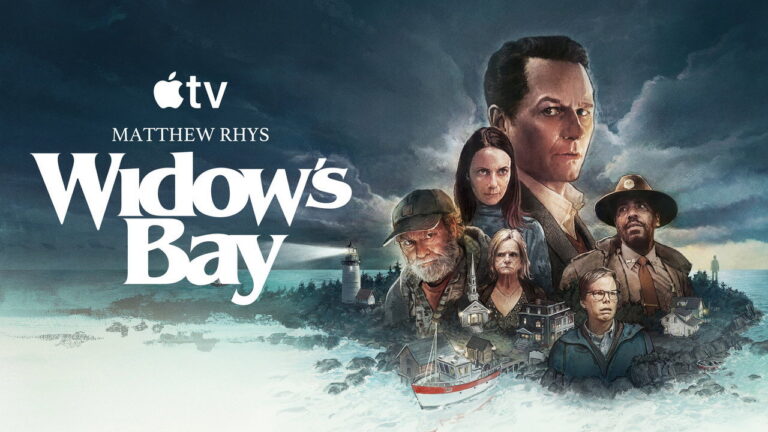
Two horror shows this summer. Widow’s Bay wrapped a month ago and I still catch myself wondering if new episodes dropped. Cape Fear wrapped and my one thought was, oh no, I will need something else to fill the silence while I play games. What a shame.
It comes with an Apple TV subscription. Cinematography holds up. Jeff Russo’s score weaves Bernard Herrmann’s 1962 theme through some of the best classic-horror television scoring this year. The music slaps. Bardem, Wilson, and Adams do the work. All of that sits on a script that abandons logic in episode one and spends nine more weeks treating your hours as filler. Three out of 10. Skip it.